
Heal Naturally Using Your Body’s Own Repair Cells
At Back to Basics Medical Practice PLLC in Sanford, NC , board-certified family medicine physician and naturopathic doctor Robert Patterson, MD, ND, offers platelet-rich plasma (PRP) injections to help ease joint pain, support injury recovery, calm inflammation and refresh aging skin. PRP uses concentrated platelets from your own blood, which makes it a natural, nonsurgical option for patients who want to heal without major procedures or long recovery times.
request an appointmentWhat Is PRP Therapy?
Platelet-rich plasma therapy is a form of regenerative medicine. Platelets are small cells in your blood that carry growth factors, proteins that signal your body to repair damaged tissue, form new collagen and reduce inflammation. When those platelets are concentrated and placed directly into an injured or aging area, they can give your body’s natural healing process a boost right where it’s needed.
If you live with an injury, chronic pain, arthritis or aging-related skin concerns and want an alternative to surgery, PRP therapy may be a good fit. Because the treatment comes from your own blood, the risk of an allergic reaction or rejection is very low. Dr. Patterson has used PRP treatments for years as part of his whole-person approach to care, often alongside functional medicine strategies that address nutrition, inflammation and overall health.
Conditions PRP Therapy May Help
PRP injections are used for a range of musculoskeletal and cosmetic concerns, including:
- Osteoarthritis of the knee, hip, shoulder and other joints
- Tendon injuries such as tennis elbow, rotator cuff strain and Achilles tendinopathy
- Ligament sprains and slow-healing sports injuries
- Chronic joint and soft tissue pain
- Thinning or aging skin, fine lines and uneven texture
- Acne scarring and dull skin tone

Benefits of PRP Injections
A series of PRP injections at our Sanford office may help you:
- Improve arthritis symptoms
- Reduce chronic pain
- Speed up healing after injury
- Lower inflammation in joints and soft tissue
- Regain range of motion and mobility
- Revitalize and firm the skin
Because PRP is minimally invasive, there’s typically no downtime, and most patients return to their normal routines the same day.
Is PRP Therapy Right for Me?
To find out whether PRP is the right choice, Dr. Patterson reviews your medical history, talks with you about your symptoms and goals, and performs a physical exam. When needed, he may order blood tests or imaging such as X-rays or an MRI to pinpoint the source of your pain and confirm the diagnosis. PRP can be used on its own or combined with other therapies. Patients with tendon pain or stubborn soft tissue injuries, for example, may also benefit from focused shockwave treatment.
What to Expect During Treatment
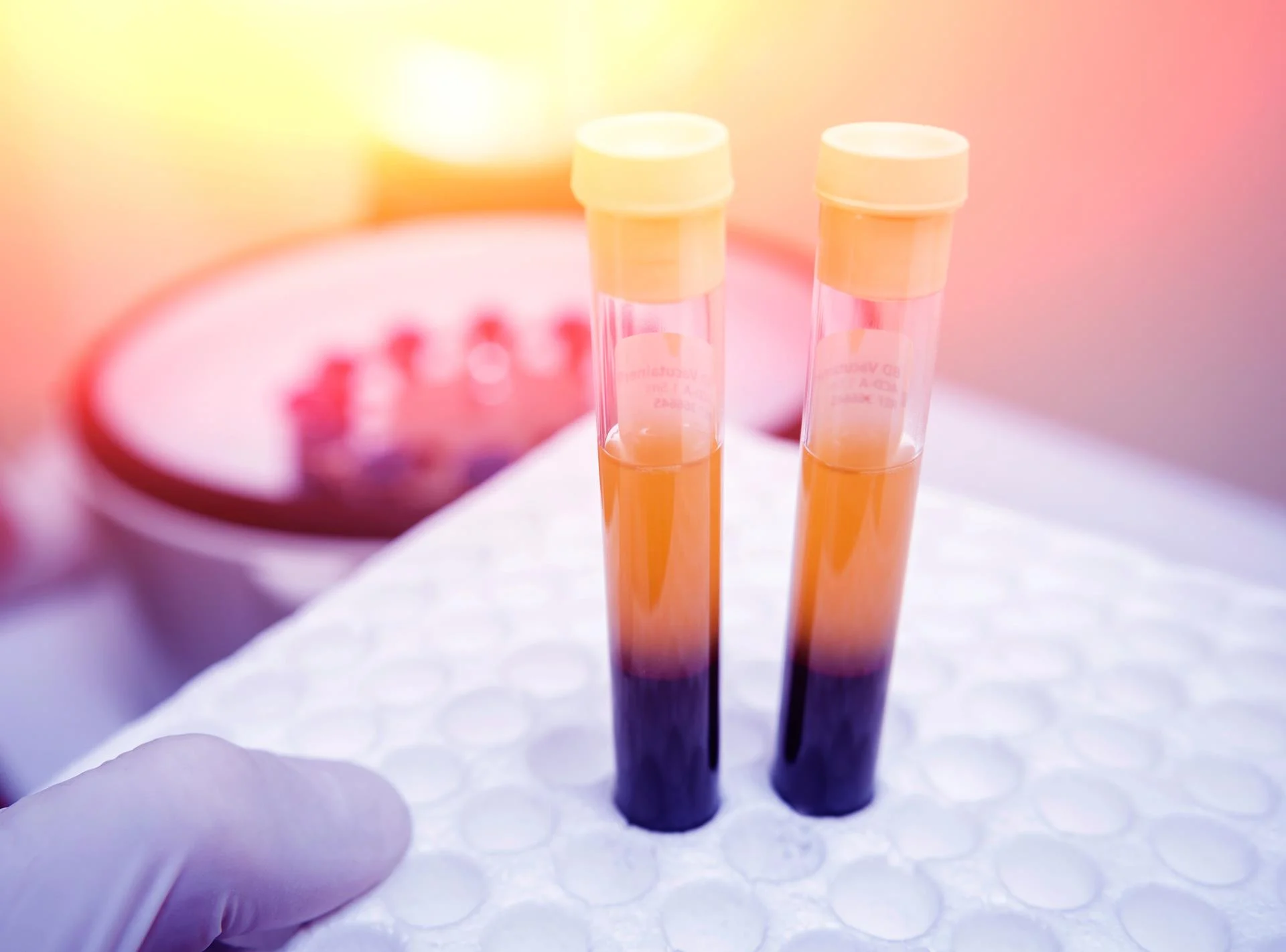
Before your PRP treatment, our team checks your vital signs. Your provider then draws a small blood sample from your arm and places it in a centrifuge, which spins the blood to separate the platelet-rich plasma from the other components. Dr. Patterson then injects the concentrated PRP into the areas of your body that are injured, painful, inflamed or showing signs of aging. The entire visit is usually completed in about an hour.
What Happens After PRP Therapy?
After treatment, you may notice mild redness, soreness or swelling at the injection site, which usually fades within a few days. You can resume most normal activities right away. Because PRP works by stimulating your body’s own repair process, improvement builds gradually over several weeks. Dr. Patterson may recommend a series of treatments to help you reach the best possible results.
PRP Therapy FAQs
Is PRP therapy painful?
Most patients feel only brief pressure or a pinch during the blood draw and injection. Some soreness at the treatment site for a day or two afterward is normal and usually mild.
How many PRP treatments will I need?
It depends on your condition and how your body responds. Some patients notice improvement after one injection, while others benefit from a series of treatments spaced several weeks apart. Dr. Patterson creates a plan based on your goals.
How long does it take to see results from PRP?
Because PRP encourages your body to repair tissue naturally, results build gradually. Many patients begin noticing less pain or better skin texture within a few weeks, with continued improvement over the following months.
Is there any downtime after PRP injections?
There’s typically no downtime. You may have mild redness, swelling or soreness at the injection site, but most people return to work and daily activities the same day.
Is PRP safe?
PRP is made from your own blood, so the risk of allergic reaction or rejection is very low. As with any injection, there’s a small chance of bruising, soreness or infection at the site, which our team works carefully to prevent.
Can PRP help me avoid surgery?
For many patients with arthritis, tendon injuries or chronic joint pain, PRP offers a nonsurgical way to reduce pain and improve function. Dr. Patterson will review your exam and imaging to help you decide whether PRP is a good alternative for your situation.
Can PRP be used for skin rejuvenation?
Yes. PRP can stimulate collagen production to improve skin texture, tone and firmness, soften fine lines and help with acne scarring.
Take a Natural Step Toward Healing
Don’t settle for ongoing pain or turn to invasive procedures before exploring a simpler, natural option. Call Back to Basics Medical Practice PLLC at (919) 895-6339 or request an appointment online to learn whether PRP therapy is right for you.